
Key points
- A typical 6.6 kW home system costs roughly $4,500–$8,000 after the federal STC discount in 2026 (indicative market range). The STC discount is about $1,800 in Adelaide and $1,550 in Melbourne.
- Each kilowatt of well-oriented panels produces about 4.2–4.4 kWh a day in Adelaide and 3.6–3.8 kWh a day in Melbourne on average across the year.
- The 2026 standard is a 440–475 W N-type panel with a 25–30-year performance warranty, paired with a string, hybrid or microinverter.
- The STC discount shrinks every year until 2030. A system installed in 2027 gets about 20% fewer STCs than the same system installed in 2026.
- With low feed-in tariffs in SA and Victoria, solar now pays off mainly through the power you use yourself, so size and design matter more than ever.
This home solar panels guide brings together everything you need to buy solar in South Australia or Victoria in 2026: what it costs, what size you need, which panels and inverters to choose, how roof direction affects output, how to compare quotes and what happens on installation day. Each section gives you the short answer and links to a detailed guide. It’s written for homeowners in Adelaide and Melbourne, using current prices, rebates and network rules as of October 2026.
Home solar panels guide: the answers at a glance
| Question | Short answer (October 2026) |
|---|---|
| What does solar cost? | About $4,500–$8,000 for 6.6 kW after STCs (indicative) |
| What size do I need? | 6.6 kW suits many homes; 10–13 kW for high usage, EVs or batteries |
| How much will it produce? | 6.6 kW: about 10,100–10,600 kWh/yr in Adelaide, 8,700–9,200 in Melbourne |
| Is a bigger system worth it? | Often, if you can use the power or plan a battery |
| Which panels? | N-type TOPCon, 440–475 W, strong local warranty |
| Which inverter? | String for simple roofs, hybrid for batteries, micro for shade |
| Does my roof work? | East or west produces about 82–87% of north |
| How do I compare quotes? | Three quotes, like for like, check 12 key items |
| How long does installation take? | Usually one day on site, 2–6 weeks overall |
Is solar still worth it in 2026?
For most owner-occupied homes in Adelaide and Melbourne, yes, but the reason has changed. Solar used to pay off by exporting power at generous feed-in tariffs. Today, Victoria has no minimum feed-in tariff (since 1 July 2025) and SA retailers typically pay around 0–8c per kWh, often with daily caps. The value now comes from using your own solar power instead of buying it from the grid.
That means a well-designed system matched to your daytime usage, and often a plan to add a battery, heat pump hot water or EV charging later. New tariff options also change the maths. SA’s Solar Sharer offer (from 1 July 2026) and Victoria’s Midday Power Saver (from 1 October 2026) give eligible customers free grid power for three hours in the middle of the day. That makes it more important to size solar for the morning, afternoon and evening, not just midday.
Two things push towards installing sooner rather than later:
- STCs fall every year. Systems installed in 2026 receive five years of deemed STCs. In 2027 it drops to four, and the scheme ends in 2030.
- Every year without solar is a year of full-price daytime power.
Read more in our guide to solar savings, feed-in tariffs and power bills and our breakdown of the solar payback period in 2026.
How much do solar panels cost in 2026?
Typical 2026 market prices for a 6.6 kW system are roughly $4,500–$8,000 after STCs, depending on the panels, inverter, roof type and installer. Solar Choice’s March 2026 price index put average Melbourne prices at about $5,600 for 6 kW and $6,300 for 7 kW. Treat these as indicative and compare written quotes for your home.
The federal STC discount is calculated from system size, your location’s zone rating and the number of years left in the scheme. Adelaide is in Zone 3 and Melbourne in Zone 4, so the same system earns more STCs in Adelaide.
| System size (2026 install) | Adelaide STCs | Approx. Adelaide discount | Melbourne STCs | Approx. Melbourne discount |
|---|---|---|---|---|
| 6.6 kW | 45 | ~$1,800 | 39 | ~$1,550 |
| 10 kW | 69 | ~$2,700 | 59 | ~$2,300 |
| 13 kW | 89 | ~$3,500 | 77 | ~$3,000 |
Discounts assume an STC price of about $38–$40 (early October 2026); the amount on your quote depends on the price your installer’s agent pays. Victorian owner-occupiers may also qualify for the Solar Homes rebate of up to $1,400 plus an optional interest-free loan of up to $1,400, if household income is under $150,000. South Australia has no state solar rebate in 2026.
Read more: How much do solar panels cost in Adelaide in 2026? and How much do solar panels cost in Melbourne in 2026? For every incentive in both states, see our 2026 guide to solar and battery rebates.
What size solar system do you need?
System size is the single biggest decision. Too small and you keep buying expensive grid power; too big and you export a lot of power for very little. Start with your daily usage from your bill, how much of it happens during daylight, and your plans for a battery, EV or heat pump.
The table below shows typical annual output for the three most common home system sizes, using average generation of 4.2–4.4 kWh per kW per day in Adelaide and 3.6–3.8 kWh in Melbourne for a well-oriented, unshaded roof.
| System | Adelaide output (kWh/yr) | Melbourne output (kWh/yr) | Often suits |
|---|---|---|---|
| 6.6 kW | 10,100–10,600 | 8,700–9,200 | Small to medium households, single-phase homes |
| 10 kW | 15,300–16,100 | 13,100–13,900 | Larger households, homes adding a battery or EV |
| 13 kW | 19,900–20,900 | 17,100–18,000 | Large or all-electric homes, usually three-phase |
Output is lower in winter and higher in summer, and east-west or shaded roofs produce less. Network rules also matter. In SA, SA Power Networks can automatically approve up to 10 kW of solar inverter capacity per phase, and export limits apply in both states.
Read more: What size solar system do I need? 6.6kW vs 10kW vs 13kW, How much power a 6.6kW system produces in Adelaide and Melbourne and Is a 10kW solar system worth it? You can also compare our 6.6kW, 10kW and 13kW home packages.
Choosing solar panels: technology, brands and warranties
Almost every quality panel sold in 2026 uses N-type cells. The three technologies you’ll see are:
- TOPCon: the mainstream choice, about 440–475 W and 22–23.5% efficiency, best value per watt.
- Back-contact: about 24–25% efficiency and up to around 500 W in a standard-size panel. Useful when roof space is tight, but more expensive.
- Heterojunction (HJT): very low heat losses and degradation, from fewer brands.
Efficiency only matters if your roof is small. On a typical roof, a slightly larger number of TOPCon panels does the same job for less. What matters more is the warranty: look for a product warranty of 12 years at minimum and ideally 25, a 25–30-year performance warranty, and a manufacturer with an Australian office. Every panel must be on the Clean Energy Council approved list for the system to earn STCs.
Read more: Best solar panels in Australia 2026: technology, brands and warranties.
Choosing a solar inverter
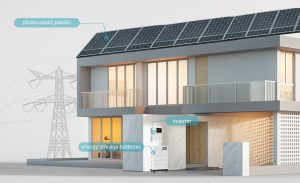
The inverter converts your panels’ DC power into AC power for your home, manages exports and runs your monitoring app. There are four main types:
- String inverter: one wall-mounted unit, lowest cost, ideal for unshaded roofs. Warranty usually about 10 years.
- Hybrid inverter: a string inverter with a battery connection. The better buy if a battery is likely in the next few years.
- Microinverters: one per panel, best for shade and complex roofs. Enphase IQ8 units activated in Australia from 1 October 2024 carry a 25-year warranty.
- Optimisers: panel-level DC devices that work with a string inverter, a middle path for partly shaded roofs.
All grid-connected inverters must comply with AS/NZS 4777.2:2020 and meet local export and backstop rules. The classic pairing is 6.6 kW of panels on a 5 kW inverter, because industry design rules allow panels of up to about 133% of the inverter rating.
Read more: String inverters vs microinverters vs hybrid: which solar inverter is right for you?
Does your roof suit solar?
North-facing panels produce the most, but other roof directions work well too. Using European Commission PVGIS modelling at a typical 22° roof pitch:
- North-east and north-west roofs produce about 93–97% of north.
- East and west roofs produce about 82–87% of north.
- South roofs produce about 66–68% of north on a 22° pitch, but about 83–84% on a low 10° pitch.
An east-west system can match a north-facing one by adding a couple of extra panels, and it spreads generation across the morning and late afternoon. Shade is usually the bigger problem. Shade on one panel can reduce a whole string’s output, and winter shadows are long: at noon in June, a 2-metre obstruction casts a shadow of over 3 metres in both cities. Microinverters or optimisers can recover much of the loss.
Read more: Does roof direction matter? North, east-west and shade for solar panels.
How to compare solar quotes and choose an installer
Get at least three written quotes for a similar-sized system, and make sure at least one installer inspects your home in person. Then compare them line by line:
- Exact panel and inverter models, not just “tier 1”
- System size in kW and expected output in kWh per year
- Price after STCs and rebates, and the price per watt
- Possible extra charges, such as switchboard upgrades
- Panel, inverter and workmanship warranties
- An SAA-accredited installer and a retailer who is an Approved Seller under the New Energy Tech Consumer Code
- Deposit, payment and cancellation terms
Be wary of pressure to sign on the spot. If the sale came from a door-knock or cold call, you have a 10-business-day cooling-off period under the Australian Consumer Law. Our list of solar and battery scam red flags covers the warning signs.
Read more: How to compare solar quotes: 12 things to check before you sign.
What happens during installation?
After you sign, the installer applies for network approval. SA Power Networks can automatically approve standard systems, while Victoria’s five distributors all require pre-approval. Installation usually takes one day for a 6.6–10 kW system. The installer fits the racking, panels, inverter and a dedicated circuit breaker, then commissions the system to the AS/NZS 4777.2 settings and your export limit.
The electrician then certifies the work. In SA that’s an electronic Certificate of Compliance, which must be completed before the system is energised. In Victoria, solar is “prescribed work”: a licensed electrical inspector should inspect it within 8 business days, and it can’t be switched on until then. Finally, your retailer arranges a meter change or reconfiguration so your exports are recorded. Overall, expect two to six weeks from contract to switch-on.
Read more: The solar installation process: from quote to switch-on, step by step.
Should you add a battery now or later?
The federal Cheaper Home Batteries Program has made batteries far more affordable. For installs between 1 May and 31 December 2026 it provides 6.8 STCs per usable kWh, worth roughly $2,500–$2,700 off a 10 kWh battery, before the rate drops to 5.7 STCs per kWh from 1 January 2027. If you’re installing solar now, at least choose a hybrid inverter or a design that makes adding a battery easy.
Read more in our complete guide to home solar batteries, or see our solar battery system installations.
Looking after your solar panels
Solar panels need little maintenance. Rain does most of the cleaning, but panels at a low pitch, near the coast or under trees may need an occasional clean. Check your monitoring app monthly so you notice a fault quickly, and have the system inspected periodically by a qualified electrician. Quality panels degrade slowly, typically keeping around 87–89% of their rated output after 25–30 years under their performance warranty. Inverters usually last 10–15 years, so budget for one replacement.
Read more in our solar panel maintenance and repairs guide and our article on how long solar panels last.
Common mistakes to avoid when buying solar
Most solar regrets come from a handful of avoidable mistakes:
- Buying on price alone. The cheapest quote often leaves out switchboard work, uses a basic inverter or comes with a short workmanship warranty. Compare the price per watt and what’s included.
- Going too small. Adding panels later usually means a second inverter, new approvals and another call-out fee. If a battery, EV or heat pump is likely, size for it now within your export and inverter limits.
- Ignoring shade. A tree or a neighbour’s second storey can cost more output than a poor roof direction. Ask for a shade assessment that covers winter, not just the day of the visit.
- Accepting vague equipment descriptions. “Tier 1 panels” and “premium inverter” are not specifications. Your quote should name the exact models.
- Forgetting the export limit. A big system on a low fixed export limit can waste a lot of energy. Check what limit the savings estimate assumes.
- Not checking who installs. Confirm the installer is SAA-accredited and ask whether the retailer uses its own team or subcontractors.
- Signing under pressure. A genuine price stays valid for at least 10 business days with an Approved Seller. “Sign today” deals are a red flag.
Solar panels for businesses
Most of this guide applies to businesses too, but commercial systems bring extra considerations such as demand charges, three-phase supply and tax treatment. Since 1 October 2026, systems between 100 kW and 1 MW can also claim STCs. See our commercial solar guide and our commercial solar packages from 20 kW to 99 kW.
Frequently asked questions
How much do solar panels cost in Australia in 2026?
Typical 2026 market prices for a 6.6 kW home system are roughly $4,500–$8,000 after the federal STC discount, depending on panels, inverter, roof and installer. The STC discount on a 6.6 kW system is about $1,800 in Adelaide and $1,550 in Melbourne. Eligible Victorians may also get a Solar Homes rebate of up to $1,400.
How many solar panels do I need for a 6.6 kW system?
With 440 W panels you need 15 panels for 6.6 kW. With 475 W panels you need 14, and with 500 W back-contact panels about 13. Each residential panel is a little under 2 square metres, so a 6.6 kW system needs roughly 25–30 square metres of usable roof space.
Do solar panels work in Melbourne’s climate?
Yes. Melbourne gets less sun than Adelaide, but a well-oriented system still averages about 3.6–3.8 kWh per kW per day across the year, compared with about 4.2–4.4 kWh in Adelaide. Output drops in winter, so sizing the system slightly larger helps cover the cooler months.
How long do solar panels last?
Quality panels typically last 25–30 years or more. Performance warranties of 25–30 years usually guarantee around 87–89% of the original output at the end. Inverters have a shorter life of about 10–15 years, so most owners replace the inverter once during the life of the panels.
Should I wait for better solar technology or prices?
Waiting rarely pays. Panel prices are already low, and the federal STC discount falls each year until the scheme ends in 2030; a system installed in 2027 gets about 20% fewer STCs than in 2026. Meanwhile, every year without solar means paying full price for daytime grid power.
All our guides on home solar panels
- How Much Do Solar Panels Cost in Adelaide in 2026? – typical prices, STC discounts and what affects the cost in SA
- How Much Do Solar Panels Cost in Melbourne in 2026? – Victorian prices, STCs and the Solar Homes rebate
- What Size Solar System Do I Need? 6.6kW vs 10kW vs 13kW – how to size solar to your usage and plans
- How Much Power Does a 6.6kW Solar System Produce in Adelaide and Melbourne? – daily, monthly and yearly output
- Is a 10kW Solar System Worth It? Output, Cost and Payback – when a bigger system pays off
- Best Solar Panels in Australia 2026: Technology, Brands and Warranties – TOPCon vs back-contact and how brands compare
- String Inverters vs Microinverters vs Hybrid: Which Solar Inverter Is Right for You? – choosing the right inverter
- Does Roof Direction Matter? North, East-West and Shade for Solar Panels – modelled output for every roof direction
- The Solar Installation Process: From Quote to Switch-On, Step by Step – approvals, install day and paperwork
- How to Compare Solar Quotes: 12 Things to Check Before You Sign – a checklist for comparing quotes like for like
Ready to see what solar could do for your home? Solar Beat’s SAA-accredited installers design and install systems across Adelaide and Melbourne using CEC-approved panels and inverters. Explore our residential solar packages, read our local guides to solar panels in Adelaide and solar panels in Melbourne, browse all our solar guides, or get a free quote.
Sources: Clean Energy Regulator – Small-scale technology certificates (Oct 2026); Solar Victoria – What to look for in a solar quote (updated 6 Mar 2026); SolarQuotes – Best Solar Panels in Australia 2026 (30 Jun 2026); European Commission JRC – PVGIS 5.2 (modelled Oct 2026); Energy Safe Victoria – Certificates of Electrical Safety; New Energy Tech Consumer Code. Prices, rebates and rules change often; figures are indicative as of October 2026, so check official sources and get a written quote. Featured image: Stefan Thiesen / Wikimedia Commons, CC BY-SA 3.0.