Key points
- A north-facing 10kW solar system produces about 38–42 kWh a day in Adelaide and 33–37 kWh a day in Melbourne, averaged over the year.
- Typical October 2026 prices after STCs: about $8,400 (standard) to $10,000 (premium) in Adelaide and $8,900 to $10,400 in Melbourne, before any Solar Victoria rebate.
- Simple payback is roughly 4–5 years in Adelaide and 5–7.5 years in Melbourne, depending on how much solar you use at home.
- A 10kW system is usually worth it if you use 20+ kWh a day, own or plan an EV or battery, or are moving off gas.
Is a 10kW solar system worth it? For most households using 20 kWh a day or more, yes. In Adelaide a 10kW system typically costs about $8,400 to $10,000 after the federal discount and pays for itself in around four to five years. In Melbourne it’s a little dearer and the sun is weaker, but the Solar Victoria rebate helps close the gap. This guide covers expected output by season, 2026 prices, worked payback examples and how to decide between 6.6kW, 10kW and 13kW.
How much power does a 10kW solar system produce?
Using Clean Energy Council guideline figures (about 4.2 kWh per kW per day in Adelaide and 3.6 kWh in Melbourne) and PVGIS modelling for a 22° north-facing roof, a 10kW system produces:
| Season (north-facing 10kW) | Adelaide, kWh per day | Melbourne, kWh per day |
|---|---|---|
| Summer (Dec–Feb) | 47–52 | 44–49 |
| Autumn (Mar–May) | 34–37 | 29–32 |
| Winter (Jun–Aug) | 26–29 | 22–24 |
| Spring (Sep–Nov) | 43–48 | 38–43 |
| Annual average | 38–42 | 33–37 |
| Annual total | 13,600–15,200 kWh | 12,100–13,500 kWh |
An east–west layout produces roughly 12–14% less across the year, but more in the early morning and late afternoon. That’s more energy than most homes use in a day, which is the key point: a 10kW system’s value depends on how much of that output you can use or store. This article is part of our complete guide to home solar panels, and our 6.6kW output guide has month-by-month figures you can scale up.
How much does a 10kW solar system cost in 2026?
The Solar Choice Price Index for 1 October 2026 gives these average installed prices, including GST and the STC discount:
| 10kW system | Adelaide | Melbourne |
|---|---|---|
| Standard tier | $8,360 | $8,920 |
| Premium tier | $10,010 | $10,410 |
| STCs included (2026) | 69 (about $2,300–$2,750) | 59 (about $1,950–$2,350) |
| State rebate | None | Up to $1,400 if eligible |
| Price per watt (standard) | ~$0.84 | ~$0.89 |
Adelaide is in STC Zone 3 and Melbourne in Zone 4, so the same system earns more certificates in Adelaide. In Victoria, eligible owner-occupiers with a household income under $150,000 can also claim the Solar Victoria rebate of up to $1,400. Prices vary with roof type, switchboard work and inverter choice. For the full city breakdowns, see solar panel costs in Adelaide and solar panel costs in Melbourne.
What is the payback on a 10kW solar system?
Payback depends mostly on self-consumption: the share of your solar you use in the home rather than export. Larger systems usually have a lower percentage of self-consumption than smaller ones, simply because they produce more than the house can use at midday.
These examples use a standard-tier system, 37c per kWh for power used in Adelaide, 28c in Melbourne, and 3c per kWh for exports in both cities:
| Scenario | Net cost | Annual output | Share used at home | Annual saving | Simple payback |
|---|---|---|---|---|---|
| Adelaide, typical use | $8,400 | 14,500 kWh | 25% | ~$1,670 | ~5.0 years |
| Adelaide, EV or pool | $8,400 | 14,500 kWh | 35% | ~$2,160 | ~3.9 years |
| Melbourne, no state rebate | $8,900 | 13,000 kWh | 25% | ~$1,200 | ~7.4 years |
| Melbourne, with $1,400 rebate | $7,500 | 13,000 kWh | 25% | ~$1,200 | ~6.2 years |
| Melbourne, rebate plus EV | $7,500 | 13,000 kWh | 35% | ~$1,530 | ~4.9 years |
These are simplified, first-year figures that ignore tariff changes, panel degradation and financing. Our wider guide to the solar payback period in 2026 covers those factors in more depth.
Tip: If you’re on a time-of-use tariff, ask your installer to model savings against your actual peak, off-peak and solar soak rates. The savings from a 10kW system are highest when it lets you avoid peak-period power.
Is 10kW better value than 6.6kW?
Look at the extra cost and what the extra panels will actually earn. In Adelaide, stepping from a 6.6kW to a 10kW standard system adds about $2,500 and roughly 4,900 kWh a year of output.
- If you export all of that extra energy at 3c, it earns only about $150 a year. That’s a poor return.
- If you use 1,000 kWh of it in the home (say, charging an EV at midday) and export the rest, it’s worth about $490 a year, a payback of around five years on the extra cost.
- If you use 2,000 kWh of it, for example with an EV plus a heat pump, it’s worth about $830 a year, paying back the extra in about three years.
In Melbourne the extra 3.4kW adds about $2,600 and around 4,300 kWh a year. Using 1,000 kWh of that saves about $380 a year (around seven years payback on the extra); using 2,000 kWh saves about $630 (around four years).
The lesson: 10kW makes sense when you have, or will soon have, the loads to use it. An EV driving 10,000 km a year uses roughly 1,500–1,800 kWh, so charging even half of it from solar changes the maths. Read more about charging an EV with solar at home.
Who should choose a 10kW solar system?
A 10kW system is usually a good fit if:
- your household uses 20–35 kWh a day, especially with daytime use (working from home, pool, air conditioning)
- you have or plan an electric vehicle you can charge during the day
- you’re replacing gas hot water, heating or cooking with electric appliances
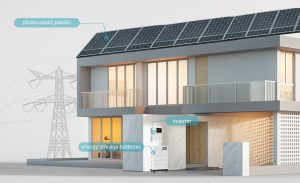
- you plan to add a home battery, which needs surplus solar to charge, particularly in winter
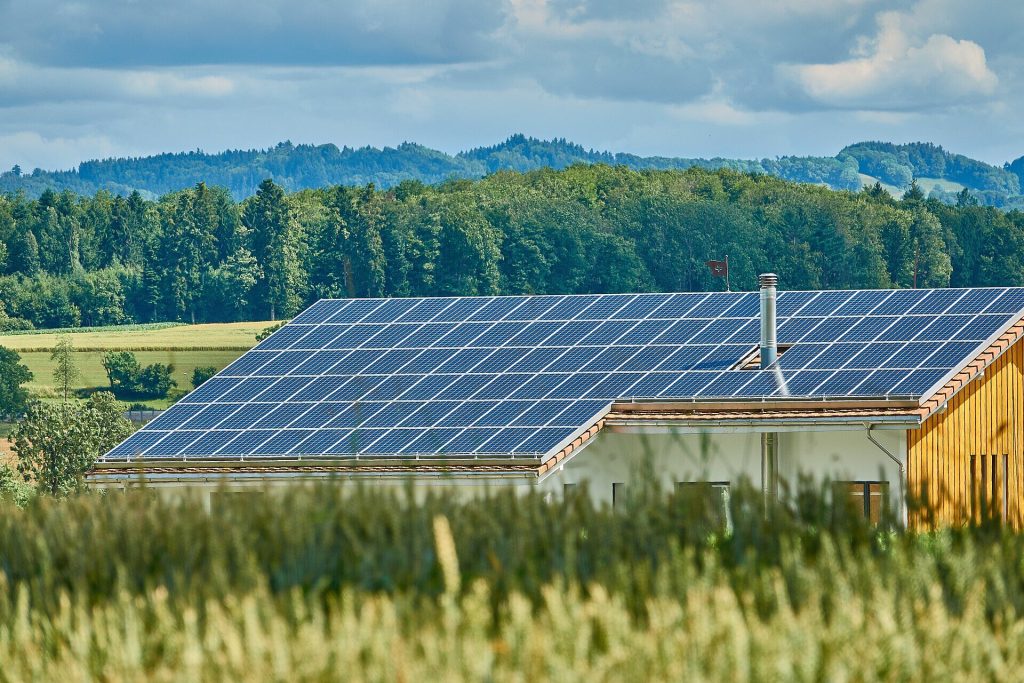
- you have about 45 m² of usable roof facing north, east or west
It may be more than you need if you use under 15 kWh a day, are rarely home during daylight and have no plans for a battery or EV. In that case a 6.6kW system often gives a faster payback. Our guide on what size solar system you need helps you work out where you sit.
Can you install 10kW on a single-phase home?
Yes. On standard single-phase connections in both SA and Victoria, the inverter is generally capped at around 10 kW. A 10kW array is commonly paired with an 8–10 kW inverter. Export limits are separate:
- Adelaide (SA Power Networks): choose a fixed export limit of 0–1.5 kW per phase, or Flexible Exports of up to 10 kW per phase with a compatible, internet-connected inverter.
- Melbourne (five distributors): most approve up to 5 kW of exports per phase, with lower limits in constrained areas. CitiPower, Powercor and United Energy now offer flexible exports for sites that would otherwise get zero export.
Export limits matter more for a 10kW system than a 6.6kW one because it has more surplus at midday. With feed-in tariffs this low, though, curtailed exports usually cost little. Using or storing the energy matters far more.
Should you go to 13kW instead?
If your roof can fit 28–30 panels, a 13.2kW array on a 10 kW inverter is the largest system most single-phase homes can install. Per watt, it’s often slightly cheaper than 10kW. It produces around 50–55 kWh a day on average in Adelaide and 44–49 kWh in Melbourne, and lifts winter output, which helps if you plan a large battery or EV. The extra only pays off if you use it, so the same self-consumption logic applies. See our 13kW solar system package for what’s included.
Frequently asked questions
How much power does a 10kW solar system produce per day?
A north-facing 10kW system averages about 38 to 42 kWh a day in Adelaide and 33 to 37 kWh a day in Melbourne across the year. Summer days can reach about 50 kWh, while winter averages fall to roughly 26 to 29 kWh in Adelaide and 22 to 24 kWh in Melbourne.
How much does a 10kW solar system cost in 2026?
As of October 2026, average installed prices after the STC discount are about $8,360 for a standard system and $10,010 for premium in Adelaide, and about $8,920 and $10,410 in Melbourne. Eligible Victorian households can then deduct up to $1,400 with the Solar Victoria rebate.
How long does a 10kW solar system take to pay for itself?
Typically around four to five years in Adelaide and five to seven and a half years in Melbourne. The biggest factor is how much solar you use at home. Households that charge an EV, run a pool or heat water during the day see the fastest payback, because each kilowatt-hour used saves far more than one exported.
Is a 10kW solar system too big for my house?
Not necessarily. Network rules allow it on most single-phase homes, and low feed-in tariffs simply mean the extra panels earn little unless you use the power. If your daily use is under 15 kWh with no EV, battery or electrification plans, a 6.6kW system may give better value.
Thinking about a larger system for your home? Our installers in Adelaide and Melbourne can check your bills, roof and network limits and give you an honest recommendation. See what’s included in our 10kW solar system package, or get a free quote.
Sources: Solar Choice – Solar Choice Price Index (1 October 2026); European Commission JRC – PVGIS photovoltaic performance tool (modelled October 2026, 22° north-facing, 14% system losses); Solar Victoria – Solar panel (PV) rebate (updated 12 October 2026); Essential Services Commission – Victorian Default Offer 2026–27 (May 2026); SA Power Networks – Flexible Exports (accessed October 2026). Prices, rebates and tariffs change; figures are indicative as of October 2026. Featured image: Roy Bury / Wikimedia Commons, CC0.