
Key points
- Good-quality solar panels typically last 25–30 years or more. They don’t suddenly stop; they slowly produce a little less each year.
- Long-term field data analysed by the US National Renewable Energy Laboratory (NREL) puts the median degradation rate at about 0.5% per year.
- The standard performance warranty example is 80% of rated output after 25 years. Many current premium panels guarantee more, often around 87% at 30 years.
- Inverters usually wear out first (around 10–15 years). Hail, poor installation and water damage end more panels early than normal ageing does.
How long do solar panels last? For quality panels installed properly, expect 25 to 30 years of useful life, and often longer. Panels lose output gradually, typically around 0.5% a year, so a system that’s 25 years old will usually still make close to 90% of what it did when new. This guide explains degradation, what shortens a panel’s life, how warranties work, and the signs your panels are genuinely nearing the end.
How long do solar panels last in Australia?
The federal Solar Consumer Guide says good-quality modern panels should last for at least 20 years, and that almost all panels come with a 25-year performance warranty. In practice, many systems installed in Australia’s first rooftop boom (around 2009–2012) are still producing today, though often from smaller, less efficient panels than you’d buy now.
Lifespan isn’t a cliff edge. A panel at year 25 is not “expired”. It simply produces a bit less than when new. The more practical question is when lower output, the cost of keeping old equipment running, or better technology makes an upgrade worthwhile. For the full picture on looking after your system, see our guide to solar panel maintenance and repairs.
What is solar panel degradation?
Degradation is the slow loss of output as a panel ages. Sunlight, heat cycles, moisture and UV gradually affect the cells, the protective layers and the electrical connections inside the panel.
The most-cited study, an analytical review by NREL researchers Dirk Jordan and Sarah Kurtz, assembled nearly 2,000 measured degradation rates and found a median of about 0.5% per year. Later NREL updates using higher-quality data for crystalline silicon panels reported similar figures. Many warranties also allow a slightly bigger drop in the first year, often 1–2%, as cells settle in.
Here’s what 0.5% a year looks like for a typical 6.6kW system, using average yields of about 4.3 kWh per kW per day in Adelaide and 3.7 in Melbourne:
| System age | Output vs new | Adelaide (kWh/year) | Melbourne (kWh/year) |
|---|---|---|---|
| New | 100% | 10,360 | 8,910 |
| 10 years | 95% | 9,840 | 8,470 |
| 20 years | 90% | 9,320 | 8,020 |
| 25 years | 87.5% | 9,060 | 7,800 |
| 30 years | 85% | 8,800 | 7,580 |
These are simplified, linear estimates for a well-oriented, unshaded system. Real output varies with weather, shading and orientation. The point is that ageing alone costs relatively little. A drop much bigger than this usually points to a fault, shading or an inverter problem. Our solar monitoring guide shows how to spot it.
What makes solar panels fail early?
Normal degradation is slow. These are the things that cut a panel’s life short:
- Physical damage. Large hail, falling branches and people walking on panels can crack glass or cause invisible microcracks in cells.
- Water getting in. Failed seals, delamination (layers separating) or cracked backsheets let moisture reach the cells and wiring.
- Hot spots. A damaged cell, persistent shading or a failed bypass diode can overheat part of a panel, causing browning or scorch marks.
- Poor installation. Wrong clamping points, overtightened mounts, unsupported cables rubbing on the roof and mismatched connectors cause problems years later.
- Heat and environment. Adelaide’s hot summers and coastal salt spray in both cities add stress, which is why panel quality and certification matter.
- Low-quality products. Panels from manufacturers without a solid track record or local support are more likely to degrade quickly or have unenforceable warranties.
Modern N-type TOPCon panels, now the norm in 2026, are generally marketed with lower annual degradation than the older P-type panels many early systems used. Our guide to the best solar panels in Australia for 2026 compares technologies and brands.
Solar panel warranties explained
There are three different warranties to understand:
| Warranty | What it covers | Typical term |
|---|---|---|
| Product (manufacturer’s) warranty | Defects in the panel itself, such as delamination, failed junction boxes or frame faults | Historically 10–15 years; many quality panels now 25 years or more |
| Performance warranty | Minimum output over time | 25–30 years. The Solar Consumer Guide’s example is 90% at 10 years and 80% at 25 years; many 2026 premium panels guarantee around 87% at 30 years |
| Workmanship warranty | The installer’s work, such as roof leaks or wiring faults | Usually 5 years, sometimes longer |
The Solar Consumer Guide calls the product warranty the most important one. Performance warranties can be hard to enforce, because proving a single panel has fallen below its guaranteed curve needs testing. Most warranties don’t cover hail or storm damage, which is usually a home insurance matter.
You also have rights under Australian Consumer Law, separate from any written warranty. If a product fails sooner than it reasonably should, you may be entitled to a repair, replacement or refund. A warranty is only as strong as the company behind it, so prefer brands with an Australian office.
Signs your solar panels are reaching end of life
- Output well below what you’d expect after allowing for about 0.5% a year, with shading, dirt and the inverter ruled out
- Brown or yellow discolouration, bubbles or visible delamination
- Cracked glass, burn marks or “snail trails” (dark lines across cells that can signal microcracks)
- Cracked or chalky backsheets on older panels
- Repeated insulation faults reported by the inverter after the wiring has been checked
An electrician can test individual panels and strings. Some use thermal cameras to spot hot cells or I-V curve testing to compare a string’s output against its rating. Don’t inspect panels on the roof yourself, and never touch a damaged panel. It can still carry dangerous voltage in daylight.
Panels outlast inverters and batteries
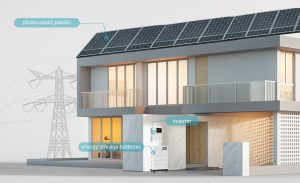
Expect to replace your inverter at least once while your panels keep working. The Solar Consumer Guide notes inverters often need replacing within the life of the panels. See when to replace a solar inverter for signs and costs. Batteries have their own wear patterns, explained in how long solar batteries last.
If you have a small system from the early 2010s, the decision often isn’t “are my panels dead?” but “is it worth adding to or replacing this system?” Our guide to upgrading an old solar system walks through the options.
What happens to old solar panels?
Old panels must be removed by a licensed electrician. The Solar Consumer Guide warns not to remove system components yourself. Most of a panel’s materials, including glass, aluminium and silicon, can be recycled, though you may pay a recycling fee. Some states have banned e-waste, including solar panels, from landfill, and the Australian Government is funding a $24.7 million National Solar Panel Recycling Pilot to plan a national scheme. Ask your installer to take away and recycle any panels they replace.
Frequently asked questions
Do solar panels stop working after 25 years?
No. The 25-year figure is the length of the performance warranty, not a switch-off date. At around 0.5% degradation a year, a quality panel will typically still produce close to 90% of its original output at 25 years. Many panels keep working well beyond 30 years if they aren’t damaged.
How much efficiency do solar panels lose per year?
Long-term field studies analysed by NREL found a median loss of about 0.5% of output per year for crystalline silicon panels. Many warranties allow a slightly larger drop in the first year, often 1–2%, followed by a smaller fixed annual decline. Quality N-type panels are generally marketed with lower rates.
Is it worth replacing old solar panels that still work?
Not usually for degradation alone, because the output loss is small. Replacement or an upgrade makes more sense if your system is small for your current needs, panels are damaged or failing, your inverter needs replacing anyway, or you want to add a battery. Compare the cost against the extra energy and savings you’d gain.
Does hail damage to solar panels count under warranty?
Usually not. Most manufacturer warranties exclude hail, storm and impact damage. Damage from weather is typically claimed through your home and contents or building insurance, so check your policy covers rooftop solar and tell your insurer about your system. A licensed electrician should make damaged panels safe.
Thinking about whether your panels have more years in them? Our Adelaide and Melbourne team can test your system’s performance and tell you honestly whether to repair, add to or replace it. Compare our 6.6kW solar system package if you’re starting fresh, or contact us for a system health check.
Sources: energy.gov.au Solar Consumer Guide – Warranties and insurance (accessed Oct 2026); energy.gov.au – Replace and recycle your solar system (accessed Oct 2026); Jordan & Kurtz (NREL) – Photovoltaic Degradation Rates: An Analytical Review (Progress in Photovoltaics, 2013); ACCC – Consumer rights and guarantees. Output figures are simplified estimates; warranty terms vary by manufacturer and model. Featured image: Kiran Jonnalagadda / Wikimedia Commons, CC BY-SA 2.0.