Key points
- Most string inverters last 10–15 years, so expect to replace one at least once during the life of your panels.
- Replace when it fails out of warranty, faults repeatedly, is quietly underperforming, or you want a battery-ready hybrid.
- Typical 2026 cost: about $1,500–$3,000 installed for a like-for-like home string inverter, and $2,500–$4,500 for a hybrid (market ranges, before any extras).
- In SA and Victoria, a non-warranty replacement must usually meet current remote-disconnection or emergency backstop rules. On the SA 44c tariff, check your permission to connect first.
You should replace a solar inverter when it has failed outside warranty, keeps throwing faults, or is holding back the rest of your system. Most homes need to replace a solar inverter once or twice over the life of their panels. In 2026 a straight swap usually costs $1,500–$3,000 installed, and a hybrid inverter that can run a battery costs more. This guide covers the warning signs, repair-versus-replace maths, costs and the SA and Victorian rules that apply.
How long do solar inverters last?
The federal Solar Consumer Guide says string inverters typically last 10 years or more but are likely to need repair or replacement within the lifetime of your panels. Panels themselves often last 25–30 years, as we explain in how long solar panels last. This topic is part of our solar panel maintenance and repairs guide.
| Inverter type | Typical life | Typical standard warranty |
|---|---|---|
| String inverter | 10–15 years | 5–10 years (often 10 with online registration) |
| Hybrid (solar + battery) inverter | 10–15 years | Usually 10 years |
| Microinverters | Often 20+ years | Some up to 25 years |
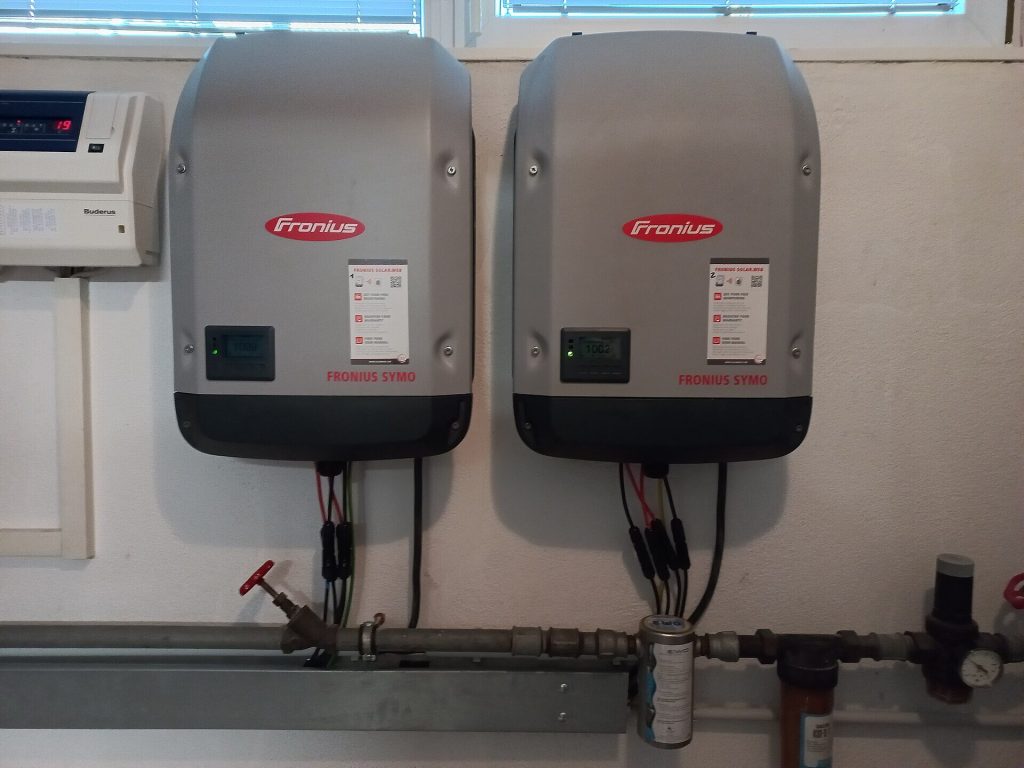
Warranty terms vary by brand, model and manufacture date. For example, Sungrow’s Australian residential inverters carry a 10-year warranty as standard, while Fronius and GoodWe tie their 10-year cover to registering the unit on their monitoring portals. Always check the document for your model.
Heat is an inverter’s main enemy. Units mounted in full afternoon sun, in hot garages or with blocked vents age faster. A shaded, ventilated wall helps a new inverter last longer. If you’re unsure which type you have, our guide to string, micro and hybrid inverters explains the differences.
Signs it’s time to replace your solar inverter
- It’s dead or keeps faulting. A blank screen with the AC supply on, or the same fault returning after a reset and a professional check.
- Repeated insulation or earth faults that come back after the wiring has been checked and repaired.
- Silent underperformance. Output drifting down year on year with no change in shading or weather. Energy Matters estimates a quietly derating inverter on a 6.6kW system can cost around $150 a year in lost value.
- Noise, heat or smell. Loud buzzing, a burning smell or discolouration. Shut the system down using the label and call an electrician.
- No support. The manufacturer has left Australia, parts aren’t available, or the monitoring platform no longer supports your model.
- You want a battery. Replacing an ageing string inverter with a hybrid can be cheaper than adding a separate battery inverter later.
Before you assume the inverter has failed, rule out a tripped switch, high grid voltage or a Wi-Fi dropout. Our checklist for when your solar is not working covers these.
Should you repair or replace a solar inverter?
Start with warranties. The Solar Consumer Guide says that if you’re within the warranty period, repairs or replacements should be free. Contact your installer first, then the manufacturer directly if the installer can’t help. Australian Consumer Law also gives you consumer guarantees that can apply beyond the written warranty if a product fails earlier than it reasonably should.
Out of warranty, few residential inverters are repaired at component level. A common rule of thumb is that if a repair quote is more than about half the cost of a replacement, replacing is better value, because a new unit comes with a fresh warranty.
Many older systems are now “orphaned”, meaning the original installer has closed. Energy Matters, citing the Consumer Action Law Centre, reports that more than 700 solar companies have gone out of business in Australia since 2011. If that’s you, any licensed solar electrician can quote a replacement. Ask whether they’ll also take on future warranty support for the new unit.
How much does it cost to replace a solar inverter in 2026?
| Replacement type | Typical installed cost (2026 market range) |
|---|---|
| Like-for-like single-phase string inverter (3–5 kW) | $1,500–$3,000 |
| Larger or three-phase string inverter (8–10 kW) | $2,500–$6,000 (quotes vary widely) |
| Hybrid inverter (battery-ready) | $2,500–$4,500 (battery extra) |
| Single microinverter | $150–$250 per unit plus labour (roof access needed) |
These are indicative market ranges from 2026 trade press and installer price guides, not Solar Beat prices. Brand matters: premium European inverters cost more than mainstream Chinese brands with similar warranties. Extras that can add to the bill include:
- replacing old rooftop DC isolators or degraded cabling that no longer meets current standards
- switchboard work or a new solar main switch
- a smart meter or export-control device
- network application fees, where your distributor requires one.
An inverter-only swap doesn’t attract new STCs (the federal solar rebate), because STCs are based on panel capacity and your panels have already been claimed. If you’re also adding panels, the maths changes. See upgrading an old solar system.
Like-for-like or upgrade?
A replacement is a good moment to rethink the system rather than just swap the box.
- Like-for-like string inverter: the cheapest option when your panels are healthy and you don’t plan a battery.
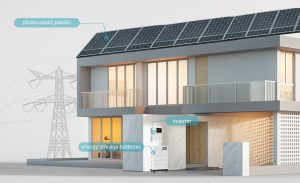
- Hybrid inverter: lets you add a battery now or later, often with backup power. Check that it works with your existing panels’ voltage and current, and with the battery you want. See adding a battery to existing solar for AC versus DC coupling.
- Slightly larger inverter: useful if you plan to add panels, but it may count as an upgrade with extra network and tariff conditions.
- Microinverters or optimisers: worth considering on shaded or multi-direction roofs, though they require roof work.
Any new inverter must be on the Clean Energy Council’s approved list, meet AS/NZS 4777.2:2020 and be set to your network’s required settings.
Rules for replacing an inverter in SA and Victoria
South Australia
Under SA’s Smarter Homes rules, SA Power Networks says that when an existing inverter is replaced, the system must be able to be remotely disconnected. Warranty replacements with the same manufacturer and model are exempt. In practice, a new non-warranty inverter needs to be internet-connected and registered with a relevant agent.
If you still receive the legacy 44c/kWh distributor feed-in tariff, which ends on 30 June 2028, be careful. The SA Government says changes to your system could affect eligibility. Industry guidance is that a replacement inverter generally needs to be the same capacity or smaller than approved. Installing a battery ends the 44c payment. Check your permission to connect and confirm with SA Power Networks in writing before you sign.
Victoria
Since 1 October 2024, Victoria’s emergency backstop rules apply to new systems and to existing systems that have their inverter replaced. The Victorian Government’s factsheet exempts like-for-like and warranty replacements. Your installer should confirm the new inverter meets the requirement and complete a Certificate of Electrical Safety.
Tip: Ask your installer to put the network rules in writing on the quote: whether an application is needed, which export limit will apply, and whether the backstop or remote-disconnection requirement is included in the price.
What happens on replacement day?
- Quote and checks. The installer confirms your panel string voltages, phase supply and network requirements.
- Network approval where needed (for example, if capacity changes).
- Safe isolation. A licensed electrician shuts the system down and isolates DC and AC before removing the old unit.
- Install and commission. The new inverter is mounted, wired, tested and set to your network’s mandatory settings.
- Monitoring and paperwork. Wi-Fi setup, warranty registration, an updated shutdown label and your compliance certificate.
- Recycling. The old inverter should be taken away for e-waste recycling, not put in the bin.
Most residential swaps take a few hours once approvals are in place.
Frequently asked questions
How do I know if my solar inverter needs replacing?
Common signs are a blank display with power on, the same fault returning after a reset and a professional check, repeated insulation or earth faults, steadily falling output with no change in shading, or buzzing and burning smells. If the inverter is more than 10 years old and out of warranty, replacement is usually better value than repair.
Can I replace a solar inverter without replacing the panels?
Yes. Most inverter replacements reuse the existing panels, provided they’re in good condition and the new inverter suits their voltage and current. Your installer should test the panels and cabling first. Old rooftop isolators or cabling that no longer meet current standards may need replacing at the same time.
Do I get a rebate for replacing my solar inverter?
Generally no. Federal STCs are based on panel capacity, and panels that have already been claimed can’t be claimed again, so an inverter-only replacement doesn’t attract STCs. If you add new panels or replace the whole system at the same time, the new panels may be eligible. Check state programs separately.
Will replacing my inverter affect my 44c feed-in tariff in SA?
It can. The SA Government says changes to your system could affect your eligibility, and industry guidance is that a replacement generally needs to be the same capacity or smaller than approved. Adding a battery ends the 44c payment. Check your permission to connect and confirm with SA Power Networks before proceeding.
Our licensed installers in Adelaide and Melbourne replace failed and ageing inverters, including battery-ready hybrids, and set them up for current network rules. If a battery is on your list, see our solar battery system installation page, or contact us for an inverter replacement quote.
Sources: energy.gov.au Solar Consumer Guide – Inverters (accessed Oct 2026); Energy Matters – When should you replace your solar inverter? (Jul 2026); SA Power Networks – Relevant Agent FAQs (accessed Oct 2026); SA.GOV.AU – Solar feed-in payments; Victorian Government – Emergency backstop customer factsheet (2024); Clean Energy Regulator – Small-scale renewable energy systems (accessed Oct 2026). Prices are indicative 2026 market ranges; rules change, so confirm with your network and installer. Featured image: Asurnipal / Wikimedia Commons, CC BY-SA 4.0.