Key points
- From 1 January 2027, new homes in Victoria must be all-electric.
- From 1 March 2027, when a gas hot water system in an existing home reaches the end of its life, it must be replaced with an electric one such as a heat pump.
- Repairs are still allowed, and there’s no rule forcing owner-occupiers to replace gas heating or cooking.
- Rebates can cut up to $2,030 off a locally made heat pump.
Victoria is the most gas-dependent state in Australia, and the government has set firm dates to move homes towards electric appliances. If you own a gas hot water system, the rules affecting you start in early 2027. Here’s what’s changing, and how to make the switch cheaply with solar.
What’s changing and when
| Date | Change |
|---|---|
| 1 January 2024 | New homes needing a planning permit must be all-electric (already in place) |
| 1 January 2027 | All new homes, and most new commercial buildings, must be all-electric |
| 1 March 2027 | Gas hot water systems that reach end of life in existing homes must be replaced with an electric system |
| From 1 March 2027 | New minimum energy standards for rental properties begin phasing in |
The hot water rule only applies when your system needs replacing. If your gas unit breaks and can be repaired, you can still repair it. There’s no requirement for owner-occupiers to replace gas heaters or cooktops.
What about rental properties?
New minimum standards for rentals phase in from 1 March 2027. They include replacing gas heaters and gas hot water with electric when they reach end of life, adding ceiling insulation where there is none, efficient showerheads, cooling in the main living area at a new lease, and draught-proofing from 1 July 2027. All of these upgrades are eligible for Victorian Energy Upgrades discounts.
How much can you save?
The Victorian Government estimates a household switching from gas to electric hot water will save about $330 a year, or about $520 a year with solar. A new all-electric home is estimated to save about $880 a year, or $1,820 with solar.
Rebates for heat pump hot water
- Solar Victoria hot water rebate: up to $1,000, or $1,400 for an eligible locally made product. You must be an owner-occupier with combined household income under $150,000, the property must be worth under $3 million, and your existing system must be at least 3 years old.
- Victorian Energy Upgrades (VEU): an additional discount with no income test. The amount varies with the market.
Combined, Solar Victoria says the two can take up to $2,030 off a locally made system, or up to $1,630 off other eligible systems.
Why a heat pump works so well with solar
A heat pump hot water system uses about a third to a quarter of the electricity of an old electric storage heater, because it moves heat from the air instead of generating it. Put it on a timer to run in the middle of the day, and it can heat your water almost entirely from your own solar panels, or from free power during the Midday Power Saver window (11am–2pm).
Plan ahead. Don’t wait for your gas system to fail on a cold winter morning. Replacing it on your own schedule lets you compare products, claim rebates and line the job up with a solar or battery install.
Thinking about full electrification?
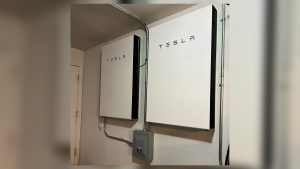
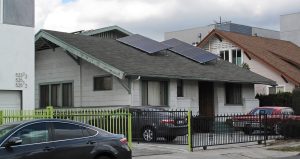
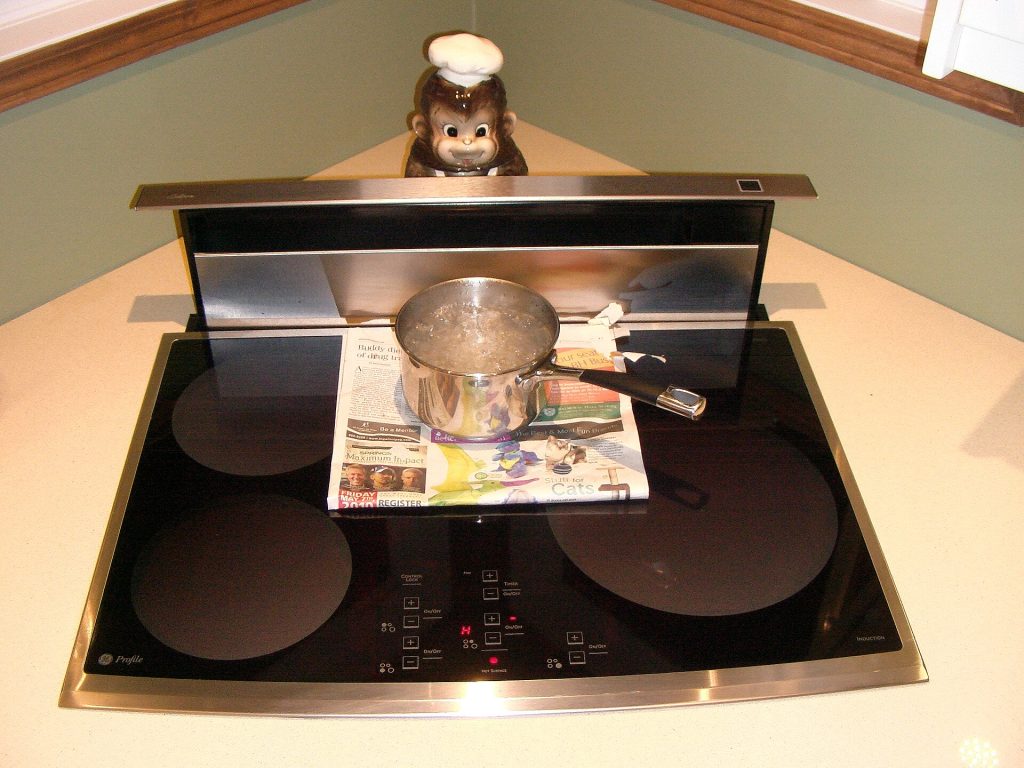
If you’re replacing gas hot water, it’s a good time to look at the whole picture: rooftop solar, a battery, reverse-cycle air conditioning and induction cooking. Once your last gas appliance goes, you can also drop your gas supply charge, often several hundred dollars a year on its own. See our guides to Victorian Energy Upgrades and Victorian solar rebates.
Sources: Premier of Victoria – Securing Victoria’s gas supply while slashing energy bills (24 Jun 2025); Solar Victoria – Hot water rebate (updated 28 Sep 2026); Consumer Affairs Victoria – New minimum energy efficiency standards. Featured image: DXR / Wikimedia Commons, CC BY-SA 4.0.