Key points
- Installers must now be accredited by Solar Accreditation Australia (SAA), which replaced the Clean Energy Council’s accreditation in 2024.
- Battery installs must follow AS/NZS 5139, including Amendment 1, published December 2025.
- Regulator inspections found many installs had minor compliance issues, mostly labelling. Installer quality matters.
- Size your battery to your evening usage. Most new installs are now in the 20–30 kWh range.
With the federal battery discount at its highest until the end of 2026, Adelaide has never had more battery options, or more companies selling them. The choice of installer matters as much as the choice of battery. Here’s what to look for in 2026.
1. Check your installer’s accreditation
Since 29 February 2024, solar and battery installers and designers have been accredited by Solar Accreditation Australia (SAA), not the Clean Energy Council. To claim the federal Cheaper Home Batteries discount, your battery must be installed or supervised on site by an SAA-accredited installer. The Clean Energy Council still maintains the approved product lists and the Solar Retailer Code of Conduct.
Ask for the installer’s SAA accreditation number, and check they hold a South Australian electrical licence.
2. Make sure the install meets the standard
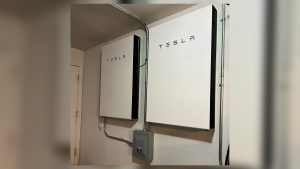
Home batteries must be installed to AS/NZS 5139:2019. Amendment 1, published on 19 December 2025, updated 18 clauses, including rules about where batteries can go near garage openings. A compliant install covers the battery’s location, clearances, ventilation, protection and, importantly, labelling and signage.
That last point matters. In 2026 the Clean Energy Regulator reported that around 60% of inspected battery installations were “substandard”, meaning they breached at least one clause of a standard. Most were missing labels and were not unsafe. Around 1% were found to be unsafe. In September 2026 the ABC also reported allegations of staged installs and forged paperwork, and the federal government announced a new national technical regulator.
Bottom line: the cheapest quote isn’t always the best value. Choose a local, licensed installer who will still be around to honour the workmanship warranty.
3. Choose the right size
Since 1 May 2026 the battery discount tapers for bigger systems: full value for the first 14 kWh, 60% from 14 to 28 kWh and 15% from 28 to 50 kWh. As a result, the most common battery size nationally has shifted from 40–50 kWh down to 20–30 kWh. In SA, the average battery installed under the program grew from about 14 kWh to 22 kWh.
A good installer will size your battery using your actual bills and usage pattern, not just sell you the biggest box. Think about:
- how much power you use between 4pm and the next morning
- future plans: an EV, pool, heat pump or ducted air conditioning
- whether you want backup power during blackouts, and for which circuits
- how much solar you have, or need, to charge the battery.
4. Compare the leading brands
Most home batteries now use lithium iron phosphate (LFP) cells, which are long-lasting and thermally stable. Popular brands in Australia in 2026 include:
- Sigenergy: Australia’s top-selling home battery brand in 2025 by market share, with a modular, stackable design.
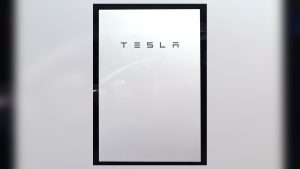
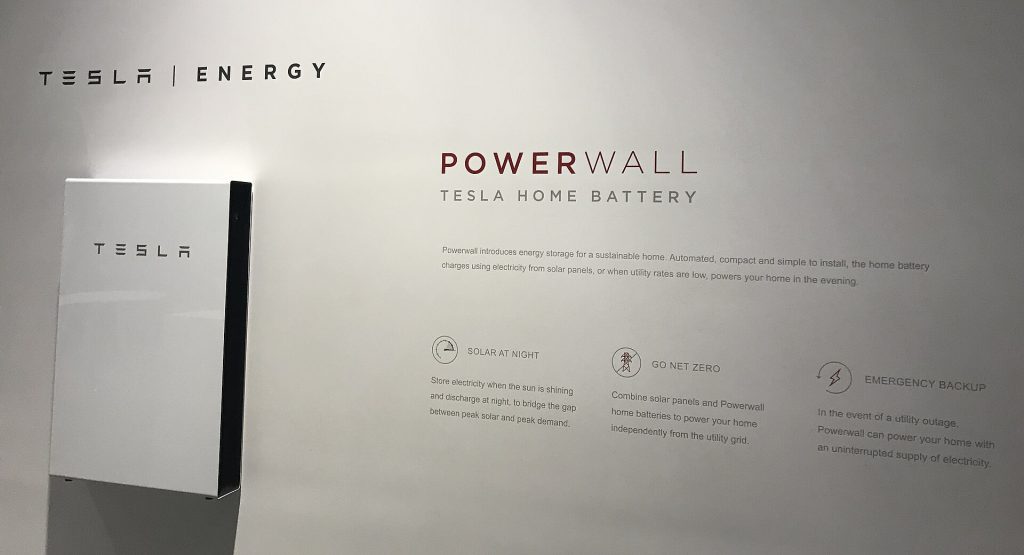
- Tesla Powerwall 3: an integrated inverter and battery, well known for its app and backup capability.
- GoodWe, Sungrow and AlphaESS: widely installed hybrid inverter and battery systems with strong SA presence.
Whatever brand you choose, confirm it is on the approved list and is VPP-capable. Both are required for the federal discount.
5. Questions to ask before you sign
- Are you SAA-accredited and licensed in SA? Who will actually do the install?
- Is this battery and inverter on the approved product list?
- How did you work out the size you’re recommending?
- What’s the product warranty, the workmanship warranty, and who do I call if something goes wrong?
- Will it provide backup during an outage? Which circuits?
- Have you included the STC discount in the price, and how many certificates?
- Will you set up flexible exports and the Relevant Agent, as required in SA?
- Can it join a virtual power plant, and what VPP offers are available to me?
Don’t forget the panels
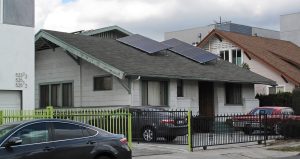
If you’re adding solar at the same time, today’s residential panels are typically around 440–475 W, with N-type TOPCon cells now the norm and back-contact panels growing in popularity. More efficient panels mean more generation from a smaller roof area, which helps keep a larger battery charged.
Sources: energy.gov.au – New solar accreditation scheme operator; NSW Government – Changes to battery standard; The Conversation – Battery installation inspections; ABC News (9 Sep 2026); RenewEconomy – Sigenergy top supplier; SA Power Networks (17 Feb 2026). Featured image: CoCreatr from Yokohama, Japan / Wikimedia Commons, CC BY-SA 2.0.