Key points
- SA small business default electricity prices fell in 2026–27, but power is still one of the biggest overheads for many businesses.
- Most businesses use the bulk of their power during the day, exactly when solar produces.
- Small businesses can access the federal Cheaper Home Batteries Program as well as STCs for solar systems up to 100 kW.
- New grid rules such as flexible exports and export charges make self-consumption the key to a fast payback.
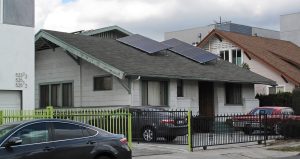
South Australian businesses have some of the most expensive electricity in the country, and some of the best sunshine. For offices, workshops, retail, farms and warehouses that run during daylight hours, commercial solar is one of the most reliable ways to cut operating costs. Here’s what Adelaide businesses need to know in 2026.
Why commercial solar makes sense in SA
- Daytime load: businesses use most of their power between 8am and 5pm, so a well-sized system can supply a large share of it directly.
- High tariffs: every kWh you generate and use yourself avoids the full retail rate, which for many businesses is several times the feed-in rate.
- Price pressure: the 2026–27 Default Market Offer for SA small business fell between about 7% and 12%. Even so, new costs such as the state’s Firm Energy Reliability Mechanism are being added to bills from July 2026.
- Tax: solar is a business asset. Talk to your accountant about depreciation and any instant asset write-off rules that apply to your business.
Incentives available to businesses
| Incentive | What it covers |
|---|---|
| Small-scale technology certificates (STCs) | An upfront discount on solar systems up to 100 kW, reducing each year until 2030 |
| Large-scale generation certificates (LGCs) | For systems over 100 kW: certificates created for the power you generate, which can be sold |
| Cheaper Home Batteries Program | Also open to small businesses: 6.8 STCs per kWh until 31 Dec 2026, falling to 5.7 from 1 Jan 2027 |
| REPS (SA) | Energy productivity activities through retailers, including a small business incentive for joining an approved VPP (subject to funding) |
Popular commercial system sizes
Commercial systems are sized to your load profile, roof space and network connection. Typical sizes include:
- 20 kW, for small offices, cafes and retail
- 30 kW, for medical centres, gyms and larger shops
- 50 kW, for workshops, light manufacturing and childcare centres
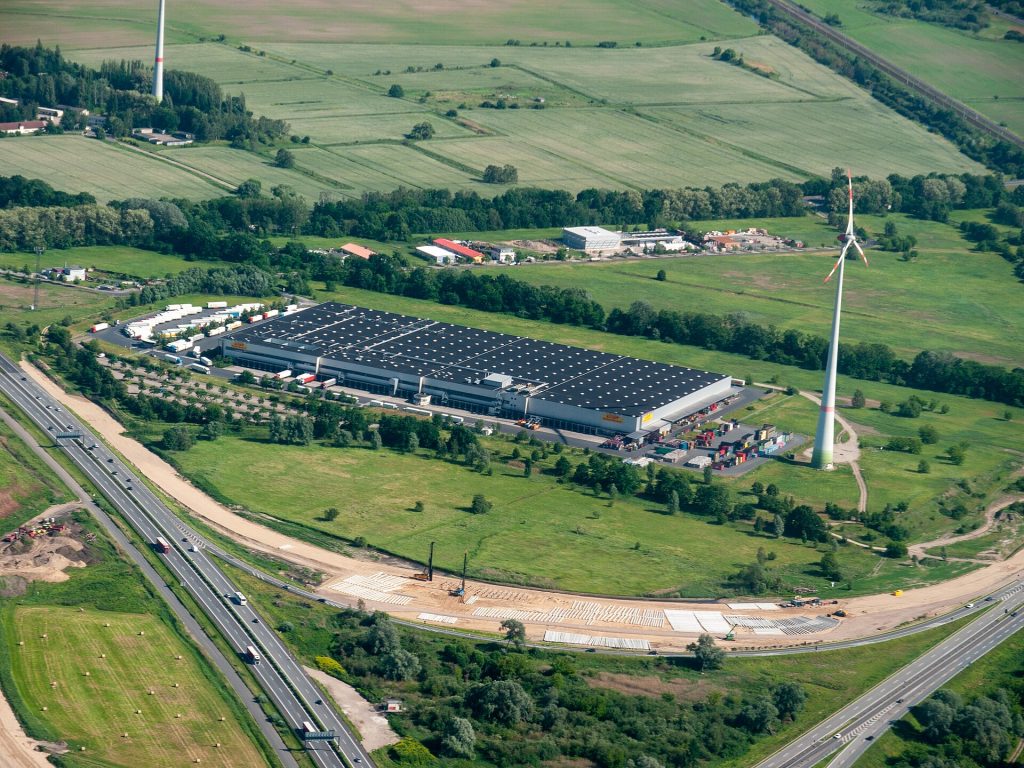
- 99 kW, the largest size eligible for upfront STCs, popular with warehouses, wineries and farms.
See our commercial solar packages for details on each size.
Network rules to plan around
- Export limits: SA Power Networks offers flexible exports for systems on standard connections. Larger systems need a network assessment and may have export limits. Learn about flexible exports.
- Export charges: for inverters up to 30 kW, retailers pay a small network charge on midday exports above a daily allowance. Sizing for self-consumption avoids most of it.
- Emergency backstop: under SA’s Smarter Homes rules, systems must be able to be remotely curtailed in a grid emergency. This rarely affects businesses.
Should a business add a battery?
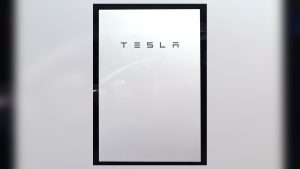
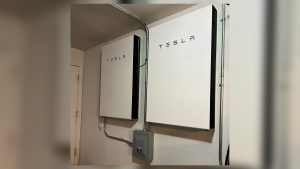
A battery makes sense if your business uses significant power in the evening or early morning (for example hospitality, cold storage or aged care), if you face high demand charges, or if you want backup for critical equipment. With the federal discount at its current level until 31 December 2026, the numbers are better than ever, but the business case depends on your load profile. We’ll model it using your interval data.
Get the data first. Ask your retailer or SA Power Networks for 12 months of interval (half-hourly) meter data. It shows exactly when you use power and lets us size a system for the fastest payback.
The bigger picture
South Australia is aiming for 100% net renewable electricity by 2027, and rooftop solar has already met 99.9% of state demand on sunny afternoons. For businesses, that means more volatile midday prices and more value in using your own solar on site. Investing in commercial solar now locks in lower costs for 25 years or more.
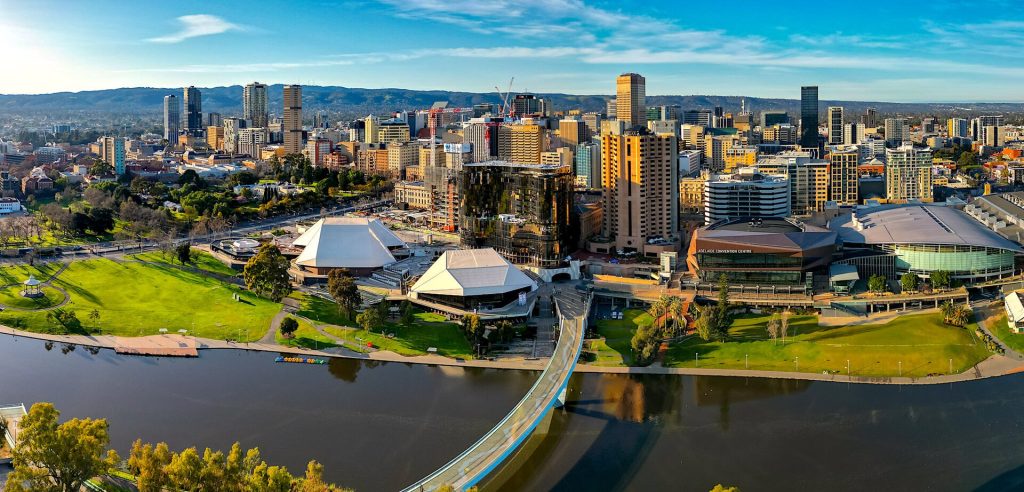
Sources: AER – Final Default Market Offer 2026–27 (26 May 2026); Clean Energy Regulator (13 Dec 2025); Department for Energy and Mining – REPS; SA Power Networks – Flexible exports; Premier of SA – Renewables target. General information only; seek tax advice for your business. Featured image: Matti Blume / Wikimedia Commons, CC BY-SA 4.0.